Targeting pH Inversion in Prostate Cancer Cells: A Role for Systems of Molecules of Vegetal OriginL. Urbanelli L, Sagini K, Delo F, Buratta S, Lucci J, Mercati V, Emiliani C. Int J Mol Sci. 2025 Aug 8;26(16):7700.
READ MORE
Bios-Therapy
Physiological Systems for Health S.p.A.
Bios Therapy is a leading company in the study of innovative therapeutic solutions based on natural products. Our unique research platform is dedicated to studying the interactions between complex natural matrices and human health with an innovative and scientifically rigorous approach. Bios Therapy is a strategic partner of the Aboca Group for preclinical and clinical research.
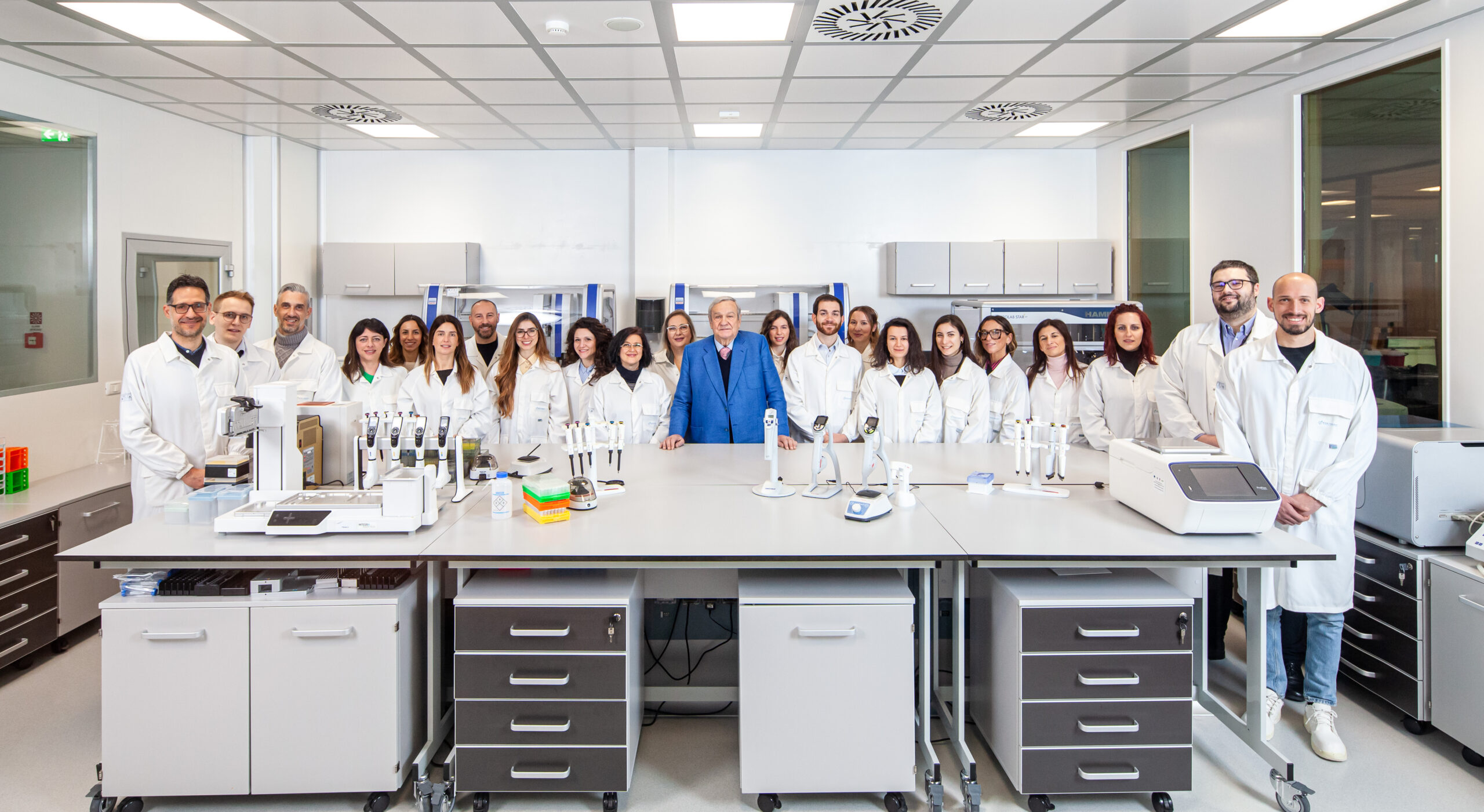
A systemic approach to healthcare
At Bios-Therapy, we address health needs with a systemic perspective, moving beyond the traditional molecule–receptor model. Our researchers employ the most advanced omic technologies to develop safe, effective and sustainable products for healthcare and therapeutic innovation. We operate with paramount respect for people and the environment, according to the international principles of One Health.
Bios-Therapy has developed a high level of expertise in the identification, evaluation and profiling of natural matrices. Drawing on our unique expertise and proprietary methodologies, we can evaluate the efficacy and safety profiles of natural products.
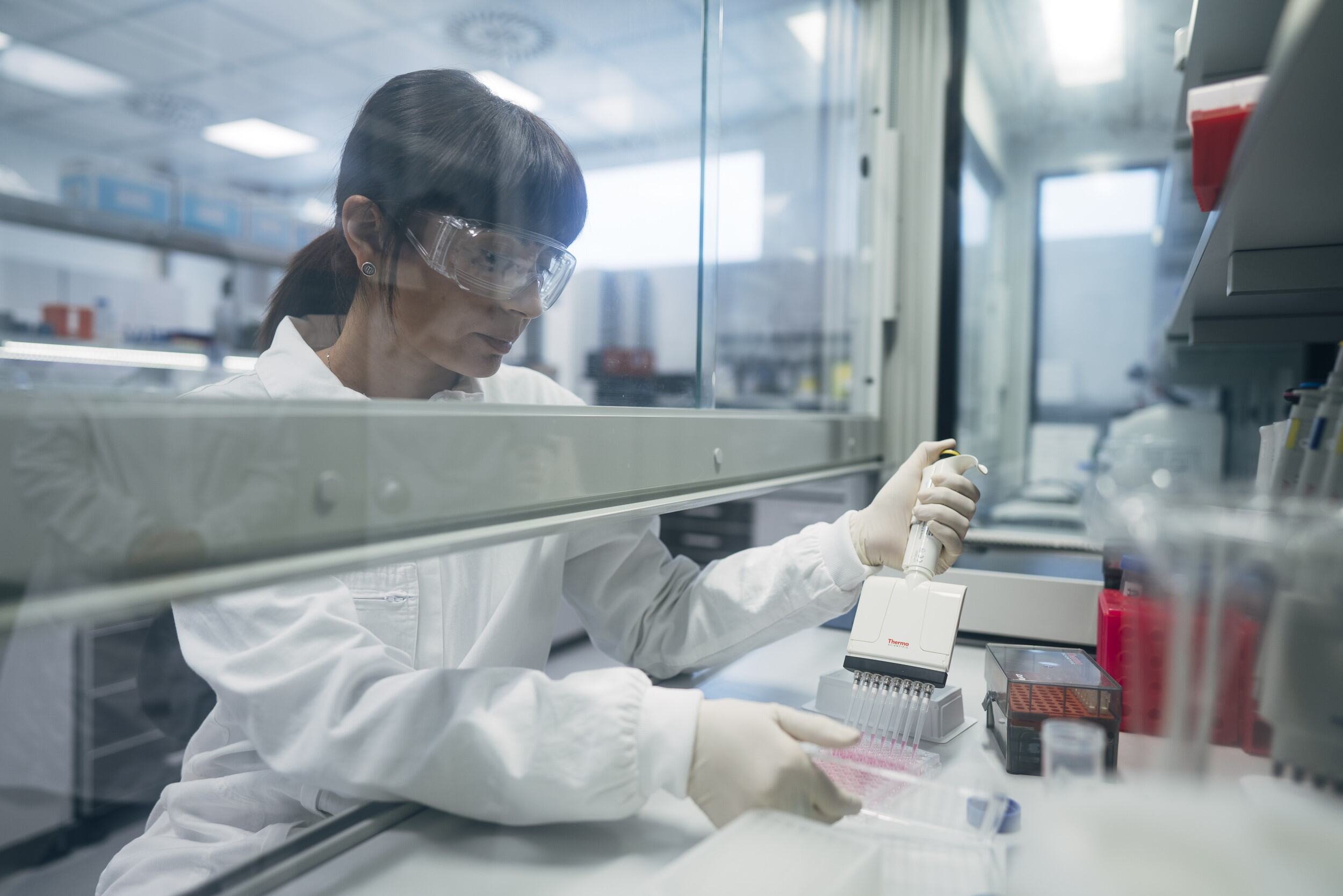
Bios-Therapy has developed high-throughput platforms based on multiomics technologies for the rapid, large-scale analysis of multiple biomarkers — including DNA, RNA, proteins, and metabolites. When applied to appropriate cellular models and integrated with advanced bioinformatics these technologies enable us to:
• Study the interactions between natural matrices and the human organism, taking into account the complexity of both.
• Investigate non-pharmacological activities and their mechanisms of action.
• Ensure that products are safe, effective, and in full compliance with the most rigorous regulatory standards.
Our innovative approach represents a benchmark in research on natural complexes and matrices and their applications for healthcare.
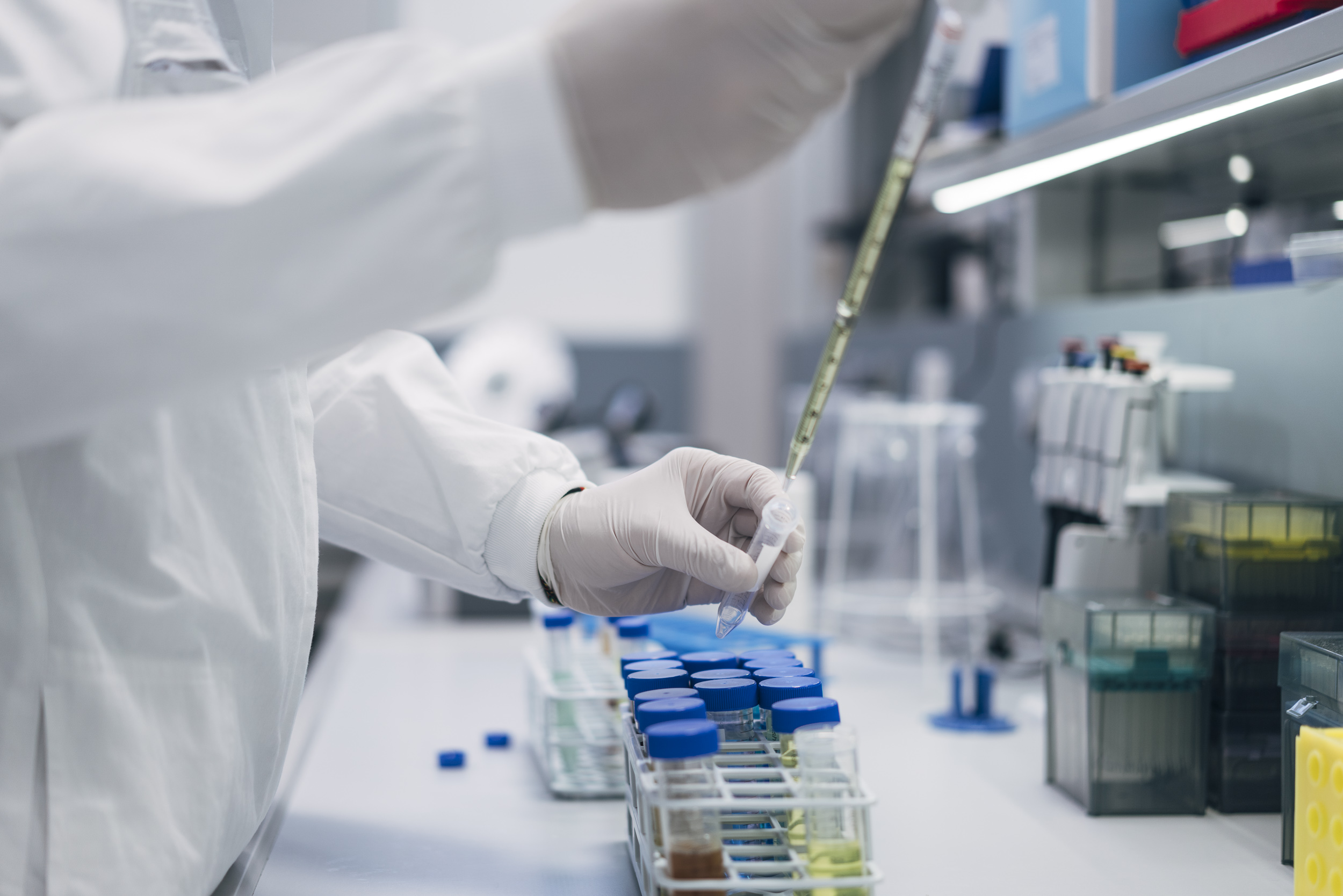
Our research is strengthened by partnerships with universities and international institutions, ensuring ongoing innovation in technologies and approaches. Our studies are published in leading scientific journals, and a significant number of our solutions are protected by international patents.
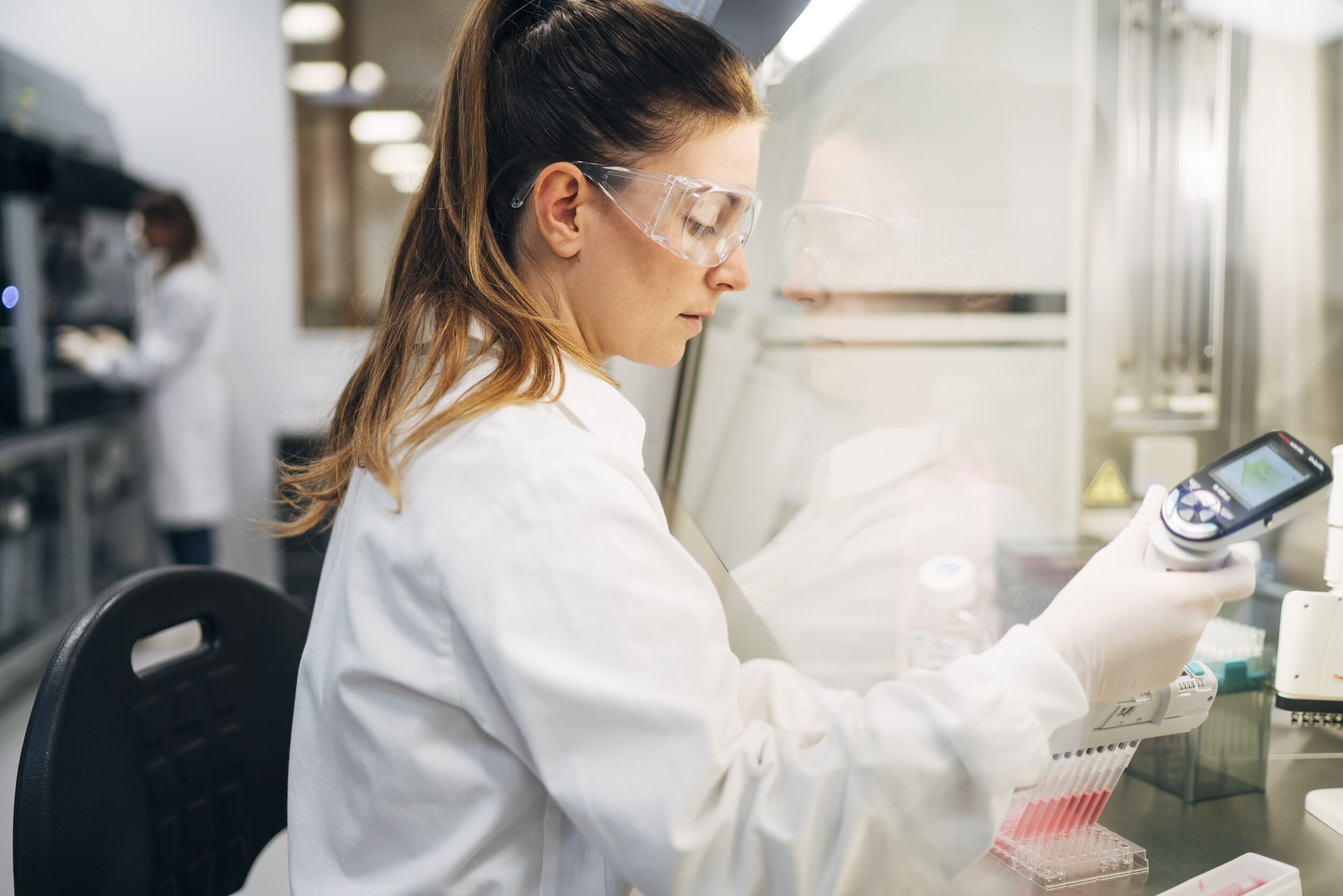
We lead the development of new solutions to reduce animal testing through the advanced use of cell banks and cell lines. We work closely with national and European regulators to integrate systemic principles into product authorization processes, supporting a more sustainable and scientifically advanced future.

Working for the greater good
Since 2022, Bios-Therapy has chosen to become a Benefit Corporation (Italian Law 208/2015), formally embedding in its charter, alongside profit goals, a commitment to create positive impact for society and the environment. This means that every activity and strategic decision is designed not only to support economic growth, but also to generate shared value and promote human well-being, and the health of the living systems as a whole. Each year, we measure and report on our progress toward these public benefit goals through our Impact Report, a tool that helps us track results and drive continuous improvement.
Download our 2024 Impact Report

Scientific Publications
A collection of studies conducted and published by our research team, in collaboration with international academic institutions.
Lipidomics reveals different therapeutic potential for natural and synthetic vitamin D formulations in hepatocyte lipotoxicity. A. Migni, D. Bartolini, I.Varfaj, I. Franco Moscardini, R. Sardella, S. Garetto , J. Lucci, F. Galli. Biomedicine & Pharmacotherapy. 2025, Jun;187:118068.
READ MORE
Cross-Kingdom Communication via Plant-Derived Extracellular Vesicle Nucleic Acids in Genetically Engineered Nicotiana tabacum. L. Urbanelli, F. Delo, G. Cerrotti, E. Albertini, Ja. Lucci, S. Buratta, E. Calzoni, S. Giovagnoli, L. Lugini, C. Federici, F. Fratini, V. Mercati and C. Emiliani. Genes 2025, 16(3), 356.
READ MORE
A Non-Pharmacological Paradigm Captures the Complexity in the Mechanism of Action of Poliprotect Against Gastroesophageal Reflux Disease and Dyspepsia. S. Caterbi, C. Buttarini, S. Garetto, I. Franco Moscardini, S. Ughetto, A. Guerrini, E. Panizzi, C. Rumio, L. Mattioli, M. Perfumi, A. Maidecchi, A. Cossu, S. Bruley des Varannes, J. Regula, P. Malfertheiner, C. Sardi and J. Lucci. Int. J. Mol. Sci. 2025, 26 (3), 1181.
READ MORE
Preventing social defeat stress-induced behavioural and neurochemical alterations by repeated treatment with a mix of Centella asiatica, Echinacea purpurea and Zingiber officinale standardized extracts. A. Costa, L. Micheli, V. Sordi, C. Ciampi, J. Lucci, M. B. Passani, G. Provensi. Front Pharmacol. 2024 26:15:1439811.
READ MORE
Wheat germ oil vitamin E cytoprotective effect and its nutrigenomics signature in human hepatocyte lipotoxicity. D Bartolini, R. Marinelli, A. M. Stabile, T. Frammartino, A. Guerrini, S. Garetto, J. Lucci, A. Migni, L. Zatini, G. Marcantonini, M. Rende, F. Galli. Heliyon 8 (2022) 23;8(9):e10748.
READ MORE
Vitamin D cytoprotection in human liver cell lipotoxicity and its transcriptomic fingerprint: a comparison of natural and synthetic formulations. D. Bartolini, L. Zatini, G. Marcantonini, A. Migni, A.M. Stabile, T. Frammartino, A. Guerrini, S. Garetto, J. Lucci, A. Pistilli, G. Di Sante, F. Galli and M. Rende. Italian Journal of Anatomy and Embryology; Florence Vol. 126, n . 1 (Supplement): 61, 2022 (2022): 61.
Efficacy of a vegetal mixture composed of Zingiber officinale, Echinacea purpurea, and Centella asiatica in a mouse model of neuroinflammation: In vivo and ex vivo analysis. L. Micheli, A. Toti, E. Lucarini, V. Ferrara, C. Ciampi, G. Olivero, A. Pittaluga, L. Mattoli, C. Pelucchini, M. Burico, J. Lucci, D. Carrino, A. Pacini, S. Pallanti, L. Di Cesare Mannelli, C. Ghelardini. Front. Nutr., 30 August 2022 – Volume 9 – 2022.
READ MORE
Intra-Articular Route for the System of molecules 14G1862 from Centella Asiatica: Pain relieving and Protective effects in a Rat Model of osteoarthritis. L. Micheli, Di Cesare,L. Mannelli, L. Mattoli, S. Tamimi, E. Flamini, S. Garetto, J. Lucci, E. Giovagnoni, L. Cinci, M. D’Ambrosio, C. Luceri, C. Ghelardini. Nutrients. 2020 May 31;12(6):1618. doi: 10.3390/nu12061618. PMID: 32486519.
READ MORE
A non-pharmacological therapeutic approach in the gut triggers distal metabolic rewiring capable of ameliorating diet-induced dysfunctions encompassed by metabolic syndrome. Greek CM, S. Garetto, E. Montellier, Y. Liu, S. Chen, P. Baldi, P. Sassone-Corsi, J. Lucci. Ski Rep. 2020 Jul 31;10(1):12915. doi: 10.1038/s41598-020-69469-y. PMID: 32737396.
READ MORE
Dropwort-induced metabolic reprogramming restrains YAP/TAZ/TEAD oncogenic axis in mesothelioma. C. Pulito, E. Korita, A. Sacconi, M. Valerio, L. Casadei, F. Lo Sardo, F. Mori, M. Ferraiuolo, G. Grasso, A. Maidecchi, J. Lucci, M. Sudol, P. Muti, G. Blandino, Sabrina Strano. J Exp Clin Cancer Res. 2019 Aug 9;38(1):349. doi: 10.1186/s13046-019-1352-3.
Researching new therapeutic approaches for abdominal visceral pain treatment: Preclinical effects of an assembled system of molecules of vegetal origin. C. Parisio, E. Lucarini, L. Micheli, A. Toti, L. Di Cesare Mannelli, G. Antonini, E. Panizzi, A. Maidecchi, E. Giovagnoni, J. Lucci, C. Ghelardini. Nutrients. 2019 Dec 20;12(1):22. doi: 10.3390/nu12010022. PMID: 31861862.
Experimental paradigm for the assessment of the non-pharmacological mechanism of action in medical device classification: The example of glycerine as laxative. C. Sardi, S. Garetto, L. Capone, V. Galbiati, M. Racchi, S. Govoni, E. Giovagnoni, J. Lucci. Front Pharmacol. 2018 Dec 7;9:1410. doi: 10.3389/fphar.2018.01410. 2018 eCollection. PMID: 30581385.
Bios-Therapy Patents
Bios-Therapy patents cover innovative methodologies, natural therapeutic compositions, advanced analytical tools, and multi-omics platforms for functional evaluation.
Natural intelligence meets innovation
Bios-Therapy, Physiological Systems for Health S.p.A., was founded in 2012 by Valentino Mercati, a pioneering entrepreneur and creator of Aboca in 1978. He envisioned a research center where science and nature converge to redefine healthcare.

We are living through a period of change that will profoundly shape our lives. History reminds us that this is neither new nor unusual: humanity has always moved through cycles—sometimes dramatic—driven by the need to restore balance across interconnected domains, including health. Yet regaining harmony today will not be easy or painless, given the scale of the transformations we have imposed on the planet. These shifts are so profound that we now speak of the ‘Anthropocene’.
It is increasingly clear that we must shift to a systemic perspective: one that places humans within nature, not outside or above it. No longer as ‘dominators’, but as ‘guardians of nature’. This calls for a new Renaissance with a renewed vision for the future of health and medicine. A systemic approach means moving beyond reductionism and symptom-based treatment toward a complex understanding of disease, prompting us to rethink pathophysiology, physiological states, and physiological actions.
Bios-Therapy has long anticipated this path with an innovative platform using next-generation techniques, contributing to surpassing the “lock-and-key” (ligand-receptor) paradigm to achieve an understanding of the “network on network” interaction between a natural matrix and the human body. A wealth of knowledge that we can now make available to everyone. Together, we want to evolve towards genuinely systemic medicine.”